Hybrid Work: Balancing Home and Office Life

Hybrid work models have become a defining feature of the modern professional landscape. While some organisations have fully embraced remote working, many have adopted a hybrid approach that combines time at home with time in a dedicated office space. This arrangement offers flexibility, but it also introduces complexities around structuring the day, designing workspaces, and maintaining clear separations between professional and personal life. This article examines current trends in hybrid work, focusing on practical considerations for organising space, managing schedules, and sustaining productivity while preserving boundaries. The discussion is grounded in the context of the United Kingdom, where hybrid patterns are increasingly common across various sectors.
The shift towards hybrid working has been driven by technological advancements and changing employee expectations. However, the successful implementation of such models depends on deliberate strategies rather than ad-hoc arrangements. For instance, employees often need to adapt their home environments to accommodate focused work, while also ensuring that office days are used effectively for collaboration and social interaction. Moreover, the boundaries between work and leisure can blur, leading to potential burnout if not managed carefully. This article aims to provide a neutral and informative overview of the factors that contribute to a balanced hybrid experience, without prescribing a one-size-fits-all solution.
As we explore the topic, it is important to recognise that hybrid work is not a monolithic concept. Different roles, industries, and personal circumstances call for varied approaches. Therefore, the insights presented here are meant to guide reflection and decision-making, rather than to offer definitive answers. By examining the trends and practices that are emerging, we hope to equip readers with a framework for evaluating their own hybrid work arrangements.
Designing a Functional Home Workspace
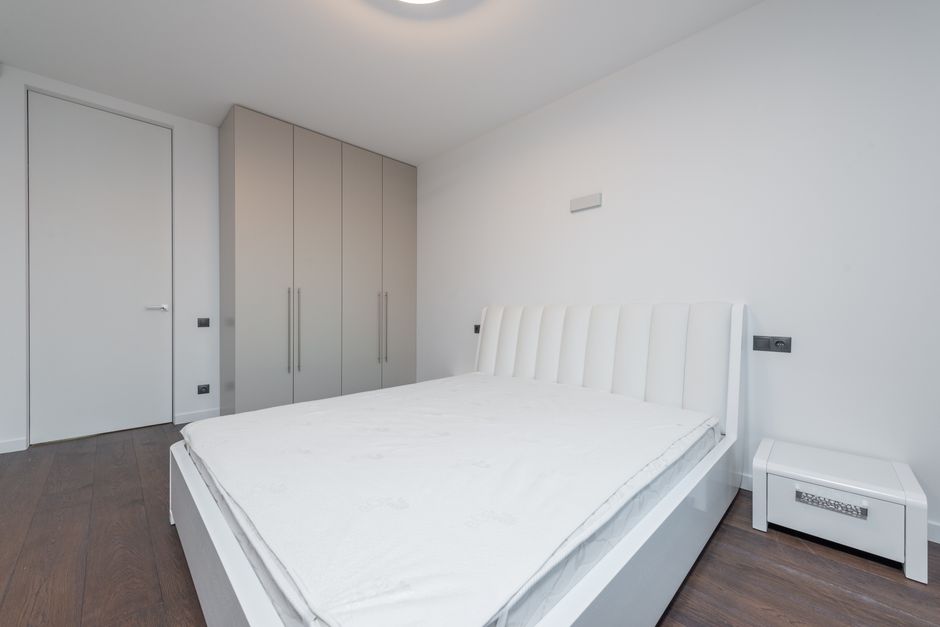
Creating a dedicated workspace within the home is a foundational element of successful hybrid work. The physical environment can significantly influence focus, productivity, and even posture. In the UK, where living spaces may vary from compact flats to larger houses, the challenge is to carve out an area that signals work mode while remaining integrated with domestic life. A separate room is ideal, but many people have to adapt shared spaces such as a corner of the living room or a section of the bedroom. Even in limited areas, it is possible to establish a sense of separation through the use of room dividers, shelving units, or simply consistent placement of furniture.
Ergonomics should be a primary consideration when setting up a home office. If possible, invest in a chair that provides proper lumbar support and a desk at the correct height. However, budget constraints or space limitations may require creative solutions. For example, a sturdy kitchen counter can be used as a standing desk, or lap desks can facilitate comfortable laptop use on a sofa. The key is to prioritise comfort and avoid prolonged periods in positions that cause strain. Natural light is another valuable asset; positioning the desk near a window can improve mood and alertness. On days when natural light is scarce, especially during UK winters, ensuring adequate artificial lighting is essential to reduce eye strain.
Beyond furniture and light, the home office should be organised to minimise distractions. Clutter can contribute to mental fog, so keeping the immediate work area tidy is beneficial. Some individuals find that using noise-cancelling headphones helps to block out household sounds, while others may prefer to schedule work during quieter times. It is also worth considering the psychological impact of the workspace. Associating a particular spot solely with work can help the mind transition into a professional mindset, and conversely, physically leaving that space at the end of the day can facilitate relaxation. Therefore, even in the absence of a separate room, consistency in the use of a dedicated corner can reinforce a healthy boundary.
Structuring the Daily Schedule
The structure of a hybrid work day can vary widely depending on whether the employee is at home or in the office. One of the advantages of remote days is the ability to customise the schedule to accommodate personal preferences, such as taking a midday walk or adjusting start times. However, this flexibility also requires self-management. Many people find it helpful to establish a routine that mirrors a regular workday, with defined start and end times. This helps to create a sense of normalcy and ensures that work does not encroach on personal time. Using digital tools like shared calendars can facilitate coordination with colleagues, especially when team members have different hours.
On office days, the focus often shifts to collaborative activities. It can be productive to reserve these days for meetings, brainstorming sessions, and informal interactions that thrive on face-to-face contact. Conversely, tasks that require deep concentration may be better suited to home days, where there are fewer interruptions. This division can be planned in advance, but it is also subject to changing circumstances. For instance, an urgent deadline might require a home day to be dedicated entirely to individual work, while an office day might involve unexpected collaborative sessions. Flexibility within the structure is thus a crucial attribute for hybrid work to function effectively.
Maintaining productivity across both settings depends on clear communication with managers and team members. Setting expectations about availability and response times can prevent misunderstandings. For example, an employee might indicate that they are unavailable for meetings between certain hours to allow for focused work. Similarly, remote workers should be proactive in signalling their presence and participation in virtual meetings. On the other hand, office days should not be seen as opportunities for constant interruptions; it is still necessary to manage one’s time wisely. A balanced approach might involve reserving specific blocks for undisturbed work, even while in the office.
Striking a Balance Between Work and Personal Life
One of the most significant challenges of hybrid work is maintaining a clear boundary between professional and personal life. When the workplace is also the home, it can be difficult to mentally disengage from work tasks. This is particularly true for individuals who live alone or who have families with differing schedules. To address this, many people adopt rituals that signal the end of the workday, such as shutting down the computer, tidying the desk, or changing out of work clothes. Even a short walk around the block can serve as a transition between work mode and personal time.
In the UK, there is a growing recognition of the importance of rest and recuperation. Legislation and company policies often reflect this, with many organisations offering mental health days or wellness resources. However, the responsibility for maintaining boundaries often falls on the individual. It may be necessary to communicate with household members about work hours and the need for quiet during certain periods. For those with children, coordinating childcare and school runs is a practical concern that influences the daily schedule. The flexibility of hybrid work can be an advantage here, allowing parents to adjust their hours to accommodate family responsibilities, but it also requires careful negotiation and planning.
Another aspect of balance is the management of workload. In a hybrid model, there is a risk that employees may feel pressured to be constantly available, especially if they are not visible in the office. This can lead to longer work hours and increased stress. Employers have a role in setting expectations and modelling healthy behaviours, such as respecting non-working hours and encouraging employees to take regular breaks. Employees, for their part, can benefit from setting limits on checking work emails or messages after hours, unless there is an emergency. By doing so, they protect their personal time and reduce the risk of burnout.
Adapting Spaces for Collaboration and Focus
The physical layout of both home and office environments can be tailored to support different types of work. At home, a dedicated workspace is valuable for focused tasks, but it may also be beneficial to have areas that can be repurposed for video calls or collaborative work with family members. In the office, the design should facilitate both individual concentration and group interaction. Modern office designs often include a mix of open-plan areas, quiet zones, and meeting rooms. For hybrid teams, ensuring that these spaces are equipped with technology that supports seamless virtual participation is essential. For example, conference rooms should have high-quality cameras and microphones to include remote attendees effectively.
In the UK, there is a trend towards redesigning office spaces to accommodate hybrid work patterns. This might involve reducing the number of fixed desks and increasing the availability of flexible workstations. It also includes creating zones that meet diverse needs, such as soundproofed booths for private calls or relaxation areas for breaks. The goal is to make the office an attractive destination, not just a place to perform individual work that could be done elsewhere. When employees come to the office, they should feel that their time is used well, enabling interactions that are not possible remotely.
On the home front, the setup might include a separate desk for work, but it is equally important to establish a space for relaxation. If the same room serves multiple purposes, using visual cues like different lighting or furniture arrangements can help to shift the mood. Some people find that dedicating a particular chair or corner solely for reading or leisure helps to separate work from personal life. The key is to create physical boundaries that support psychological boundaries.
Evaluating the Effectiveness of Hybrid Work
As hybrid work becomes more entrenched, there is a need to continually assess its effectiveness. This involves looking at productivity metrics, employee satisfaction, and the overall quality of life. Organisations may use surveys, performance reviews, and informal feedback to gauge how well the model is working. However, productivity is not always easy to measure, especially for roles that involve creativity or collaboration. In such cases, it is important to focus on outcomes that matter, such as project completion, innovation, and team cohesion.
Employees, too, can reflect on their own experiences. They might ask themselves whether they have sufficient access to the resources they need, whether they feel connected to their teams, and whether their work-life balance is sustainable. Individual assessments can reveal areas for improvement, such as adjusting the home setup or revisiting the weekly schedule. It is also essential to consider the broader impact on career development. Some employees may worry that being out of sight could lead to missed opportunities for advancement. This concern can be mitigated through regular check-ins with managers and explicit discussions about career goals.
The future of hybrid work is likely to evolve as new technologies and social norms emerge. While there is no single blueprint, the principles of intentional design, effective communication, and personal reflection remain central. By continually evaluating and adjusting the arrangements, both individuals and organisations can work towards a model that meets their needs.
Hybrid work is not a static destination; it is a dynamic process that requires ongoing attention and adjustment to balance the demands of home and office.
In conclusion, hybrid work presents opportunities and challenges that span spatial, temporal, and psychological dimensions. The design of home offices, the structuring of daily schedules, and the establishment of clear boundaries are all crucial components. By examining these aspects through a neutral and analytical lens, individuals and organisations can make informed decisions that align with their unique circumstances. As the landscape continues to shift, remaining adaptable and open to change will be key to maintaining a healthy and productive hybrid work life.